Four years for a mouse, five centuries for a clam.
Lifespans in the animal world range from a few years to more than five hundred.
Scientists count shell rings, carbon-date eye lenses and read old harpoon heads to work out how long animals live. The longest lives tend to belong to animals that are safe from predators and live slowly in cold water.
Pick an animal to see its longest recorded or estimated lifespan. The bar shows how long that is, from a few years to centuries.
Figures from the AnAge database (Human Ageing Genomic Resources), Amgueddfa Cymru – Museum Wales and Bangor University research. Maximum lifespans are records, not typical ages.
TWO NUMBERS WORTH KNOWING
Centuries old, and slow to grow up.
One figure for the oldest known animal, one for how long a Greenland shark takes to mature.
507 years
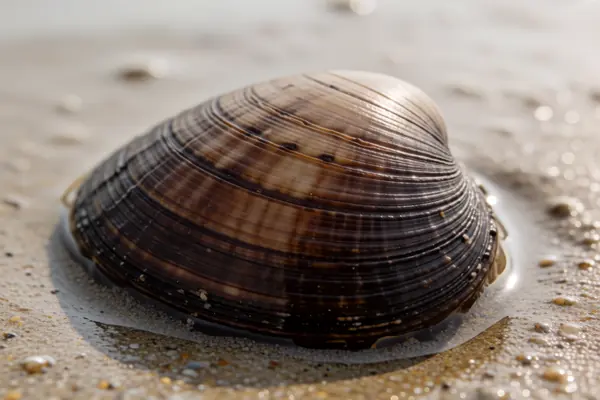
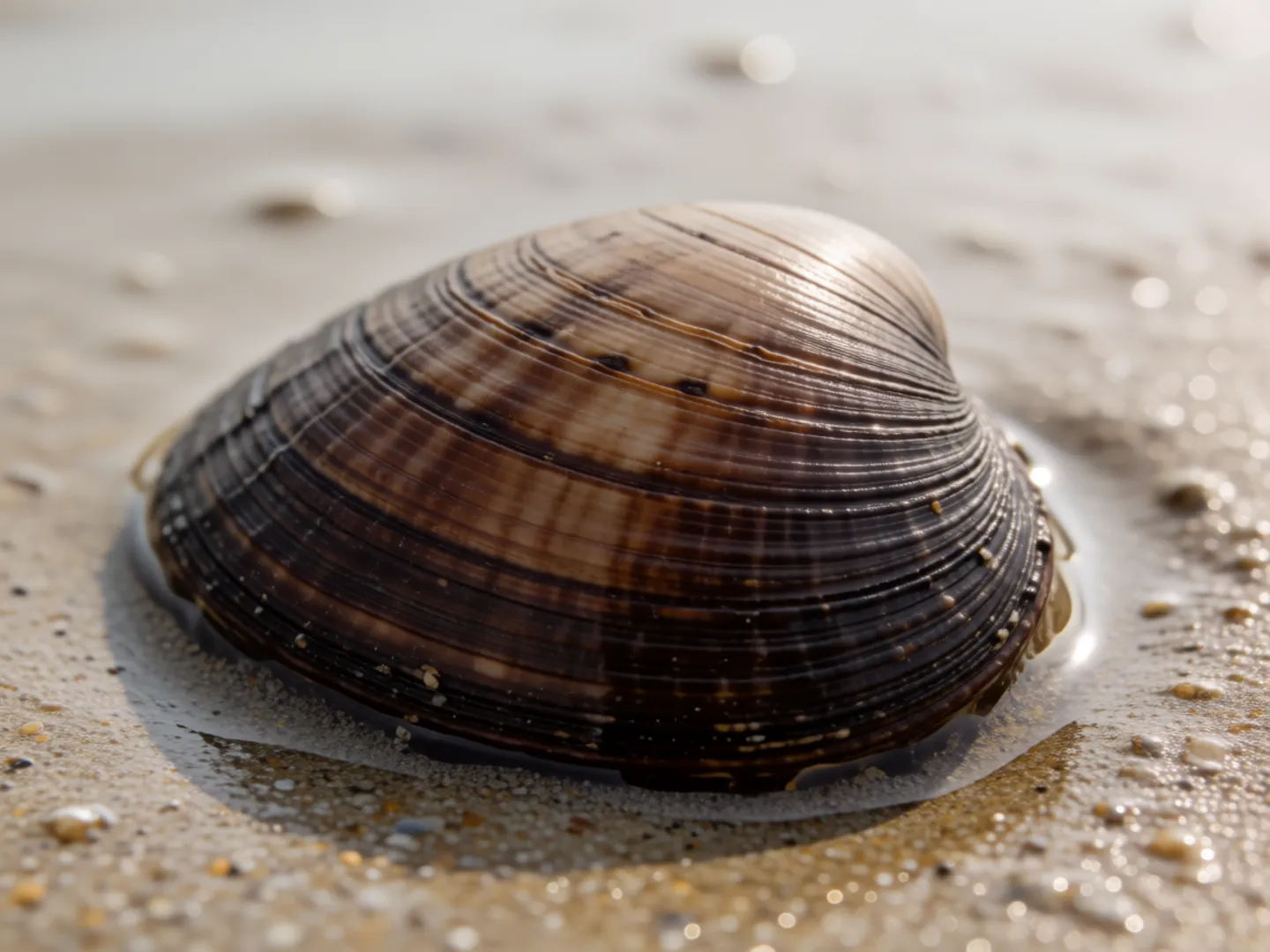
Age of the ocean quahog known as Ming
The oldest known non-colonial animal. Museum Wales notes that some corals can live to over 4,000 years, but they are colonies made of many polyps.
OLDEST ANIMAL · MUSEUM WALES
≈ 150 years
Estimated age when female Greenland sharks mature
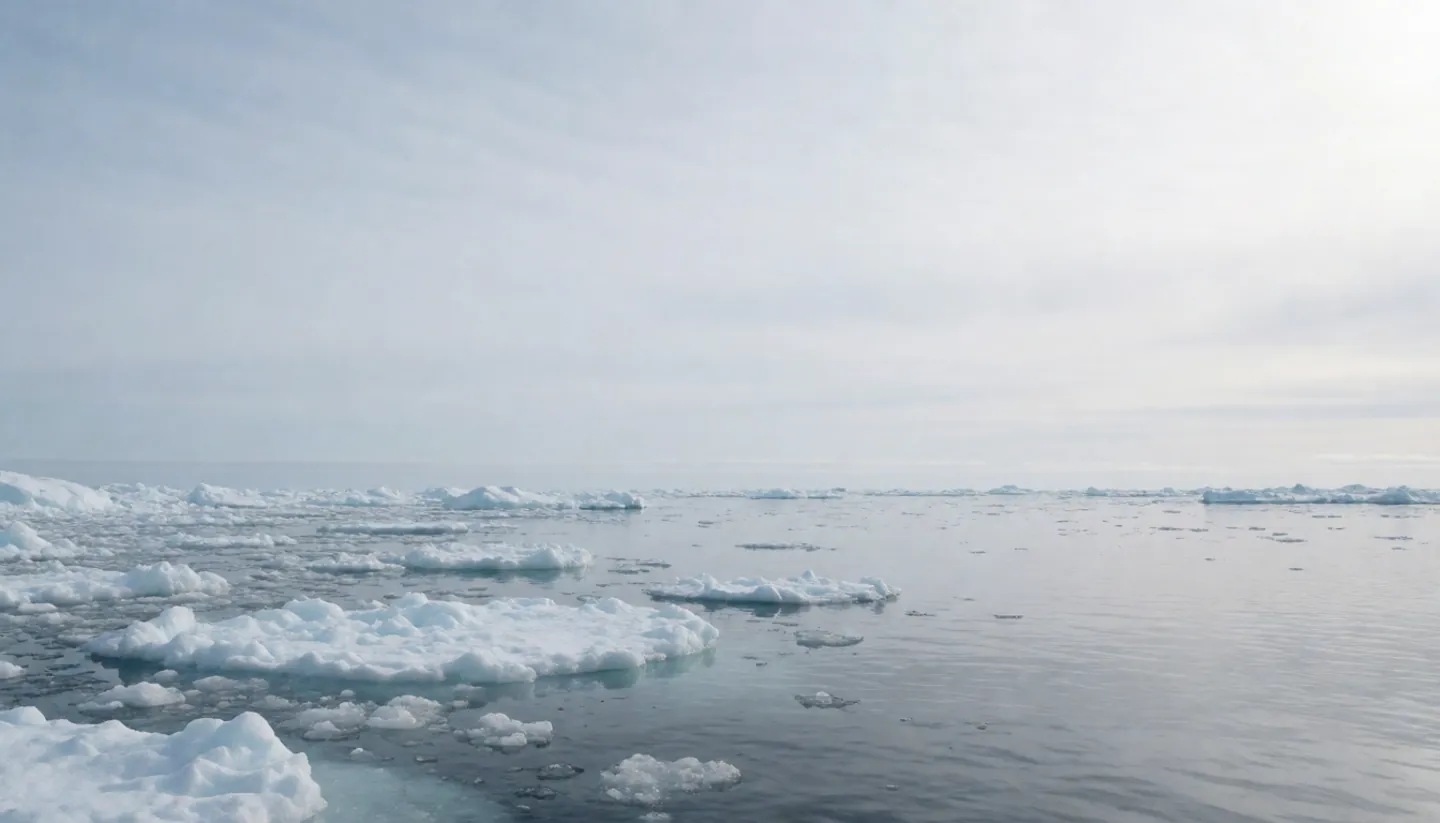
With poisonous flesh and few predators, the shark can afford a relaxed reproductive strategy in nutrient-poor Arctic waters.
SLOW LIVES · BANGOR UNIVERSITY
Bangor University's Paul Butler writes that ocean quahogs grow more slowly and live longer the further north they are, a pattern seen in many molluscs.
FOUR WAYS TO AGE AN ANIMAL
Reading the clues a body leaves.
Wild animals do not carry birth certificates. These are the methods behind the records on this page.
Count shell bands
Ocean quahogs lay down an annual band in the shell, which can be counted like tree rings.
Date the eye lens
Radiocarbon dating of the nuclei of Greenland shark eye lenses gave the 392-year estimate.
Read old evidence
A 19th-century harpoon head in a bowhead whale's blubber gave a clue to its great age.
Keep records
Records for lab and zoo animals, such as the 4-year mouse and 31-year mole-rats, come from animals kept in captivity.
AI-generated image, not a photograph of a real person or place.AI-generated image, not a photograph of a real person or place.
WHY SOME ANIMALS LAST
First be safe, then be slow.
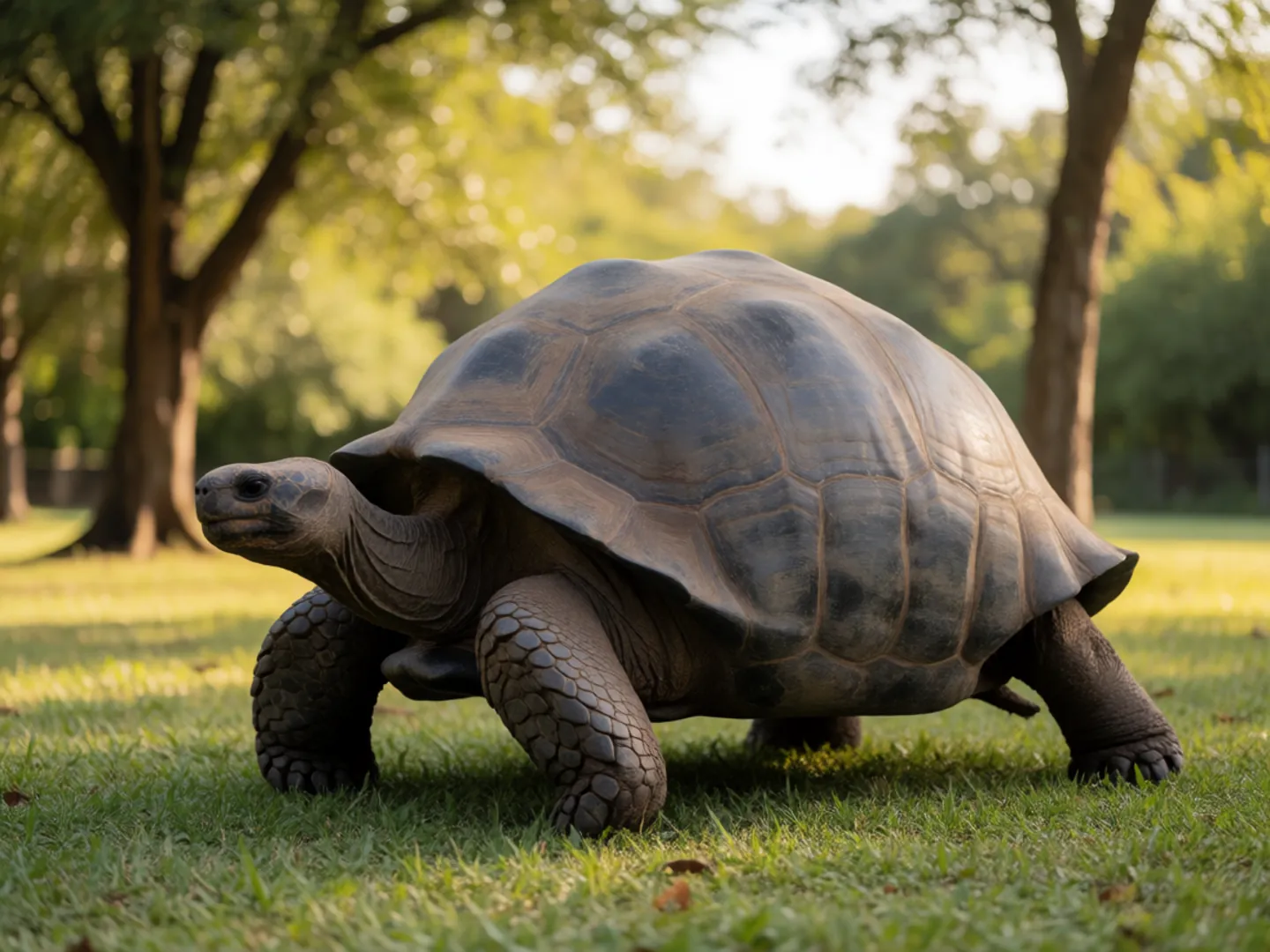
Butler argues that a species can only evolve a long life if its members regularly die of old age rather than being eaten. A shell, poisonous flesh or an island without predators provides that safety first.
Cold, nutrient-poor places then reward slow living: a long life lets an animal ride out the lean years and breed in the good ones. Humans are the only land mammal known to live beyond 100.
Questions
Questions people ask
What is the longest-living animal?
Of animals that live alone rather than in colonies, the ocean quahog clam. One specimen, nicknamed Ming, was 507 years old. Some corals live over 4,000 years, but they are colonies of many polyps.
How old do Greenland sharks get?
The oldest known female was estimated at 392 years, plus or minus 120, from radiocarbon dating of its eye lens. That is the longest known lifespan of any vertebrate.
What is the longest-lived mammal?
The bowhead whale. One caught off Alaska in 2007 had a late 19th-century harpoon head in its blubber and was dated to about 211 years.
How long do mice live?
The record for a normal house mouse is 4 years, according to the AnAge database. Mice are amongst the fastest-ageing mammals.
Why do cold-water animals live so long?
Researchers suggest that in nutrient-poor cold waters, a long, slow life helps animals survive the lean years and reproduce in the good ones, provided they are safe from predators.